Quick answer: Patio coatings protect outdoor surfaces by creating a sealed, durable barrier that blocks UV radiation, repels moisture, and resists staining. Applied by a professional patio coating company, quality coatings for patios extend the life of concrete surfaces, reduce long-term maintenance costs, and keep outdoor spaces looking sharp through seasonal weather changes.
Key Takeaways
- Coatings for patios defend against three of the most damaging forces—UV rays, water intrusion, and stains—all in a single application.
- Uncoated concrete absorbs moisture and UV radiation, leading to cracks, fading, and surface deterioration over time.
- Apollo Concrete Coatings, a trusted patio coating company in Rochester, NY, offers professional-grade solutions designed for the region's demanding climate.
Your patio takes a beating year after year. Summer UV, heavy rain, winter freeze-thaw cycles, and the occasional red wine spill all chip away at unprotected concrete. What looks like a minor surface issue today can turn into costly repairs tomorrow.
Coatings for patios offer a practical, long-lasting solution. A high-quality coating seals your concrete against the elements, locking out the three biggest threats to outdoor surfaces: ultraviolet radiation, moisture, and stains. For homeowners in Rochester, NY—where the weather swings from humid summers to brutal winters—this protection isn't a luxury. It's a smart investment.
Here's exactly how patio coatings work, why each layer of protection matters, and what to expect when you work with a professional patio coating company in Rochester, NY like Apollo Concrete Coatings.
How Does UV Radiation Damage an Uncoated Patio?
Concrete might seem indestructible, but prolonged sun exposure takes a real toll. UV rays break down the surface of uncoated concrete over time, causing it to fade, chalk, and become brittle. Decorative finishes—like stamped or colored concrete—are particularly vulnerable, losing their vibrancy after just a few seasons of direct sunlight.
UV-resistant coatings for patios contain specialized pigments and stabilizers that absorb or reflect ultraviolet radiation before it reaches the concrete beneath. This keeps the surface color consistent and prevents the surface layer from degrading. For homeowners who've invested in decorative concrete, this protection alone makes coating well worth the cost.
Why Is Moisture the Biggest Long-Term Threat to Patio Concrete?
Water is concrete's most persistent enemy. It seeps into the natural pores of the surface, and when temperatures drop below freezing, that trapped moisture expands. Repeated freeze-thaw cycles cause small cracks to widen, leading to spalling, pitting, and eventual structural damage.
In Rochester, NY, this is a year-round concern. The region experiences significant rainfall in spring and fall, high humidity in summer, and freezing temperatures from late November through March. Uncoated patios in this climate face moisture stress in every season.
A quality patio coating creates a waterproof barrier that prevents water from penetrating the surface. Rather than letting moisture sit in the concrete's pores, the coating channels it away. This dramatically reduces the risk of freeze-thaw damage, efflorescence (the white mineral deposits that appear when water moves through concrete), and long-term surface erosion.
What Types of Patio Coatings Offer the Best Moisture Protection?
Epoxy and polyurea coatings are among the most moisture-resistant options available. Polyurea, in particular, cures quickly and maintains flexibility even in low temperatures—making it well suited for climates like Rochester's. Acrylic sealers offer a more affordable entry point and still provide meaningful water resistance, though they typically require more frequent reapplication than thicker coating systems.
Apollo Concrete Coatings assesses each patio individually, recommending the right system based on the surface condition, existing damage, and how the space is used.
How Do Patio Coatings Prevent Stains from Setting In?
Outdoor surfaces deal with more than weather. Grease from the grill, tannins from fallen leaves, algae and mildew growth, and spilled drinks all leave marks on untreated concrete. Because concrete is porous, these substances soak in quickly—and once they do, they're extremely difficult to remove.
Coated surfaces are a different story. A sealed patio creates a non-porous top layer, so spills sit on the surface rather than being absorbed. Most stains can be wiped away with water or a mild cleaner. Even stubborn contaminants like oil and rust are far easier to remove from a coated surface than from raw concrete.
This is particularly valuable for patios used for outdoor dining or entertaining, where food and beverage spills are frequent.
What Are the Additional Benefits of Professional Patio Coatings?
Beyond the three core protections, professional coatings for patios deliver several secondary benefits that are worth noting:
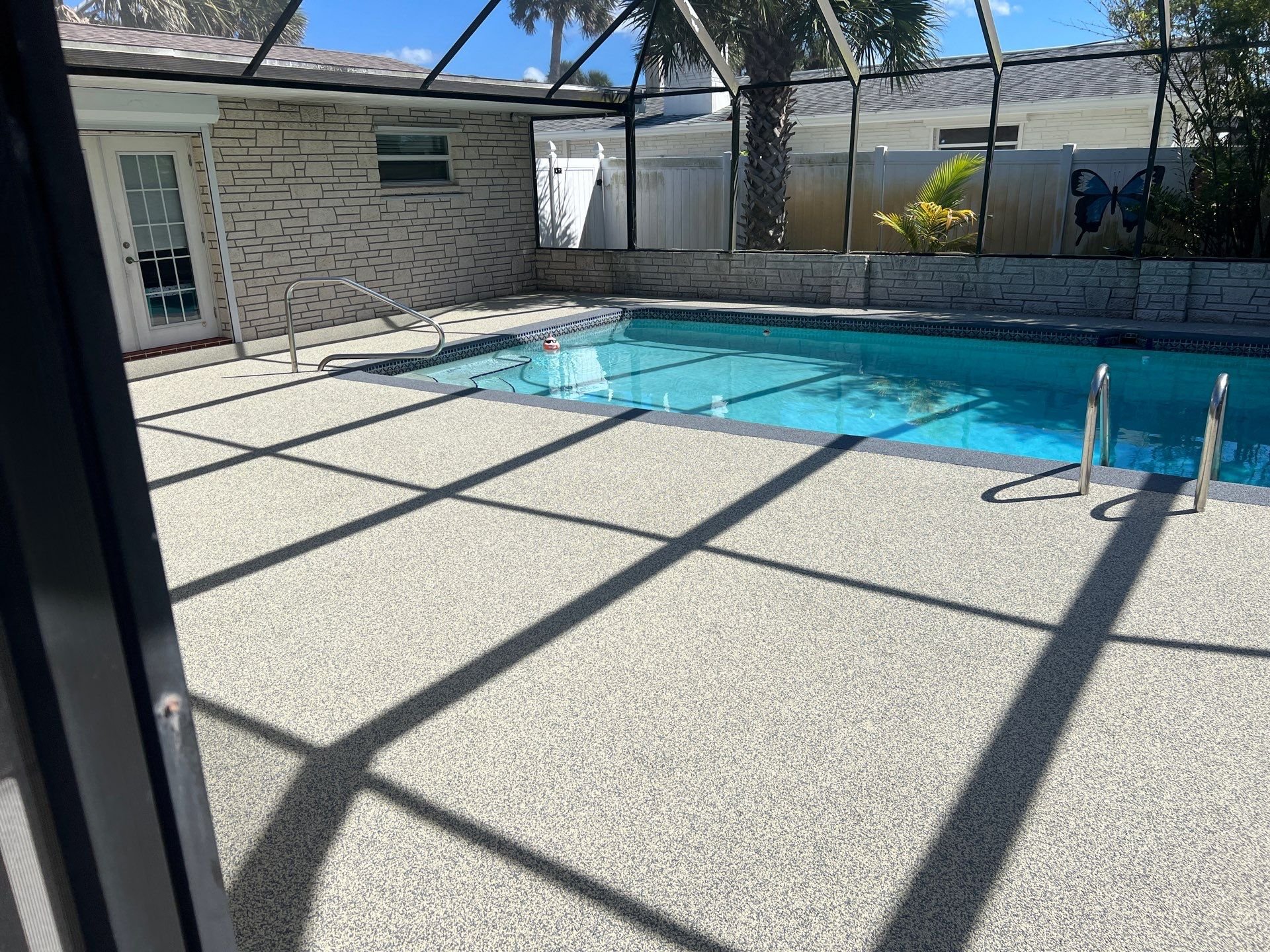
- Slip resistance: Many coating systems include textured additives that improve traction on wet surfaces—an important safety feature around pools and in rainy climates.
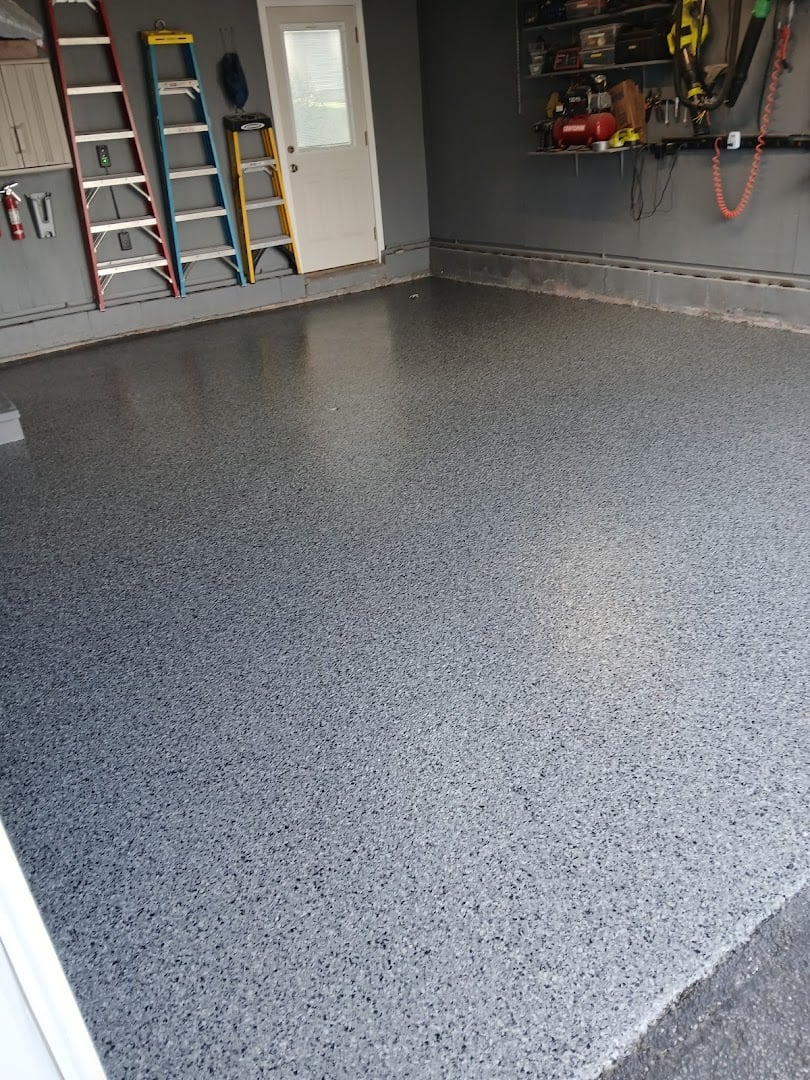
- Improved aesthetics: Coatings refresh the appearance of aged or stained concrete, with finish options ranging from high-gloss to matte and decorative flake systems.
- Easier maintenance: A sealed surface requires far less scrubbing and fewer cleaning products to keep clean over time.
- Increased property value: A well-maintained, attractive outdoor space contributes to curb appeal and overall home value.
How Does Apollo Concrete Coatings Approach Patio Projects in Rochester, NY?
As a local patio coating company in Rochester, NY, Apollo Concrete Coatings understands the specific demands of the region's climate. Cold, wet winters and humid summers require coatings that can expand and contract with temperature fluctuations without cracking or peeling.
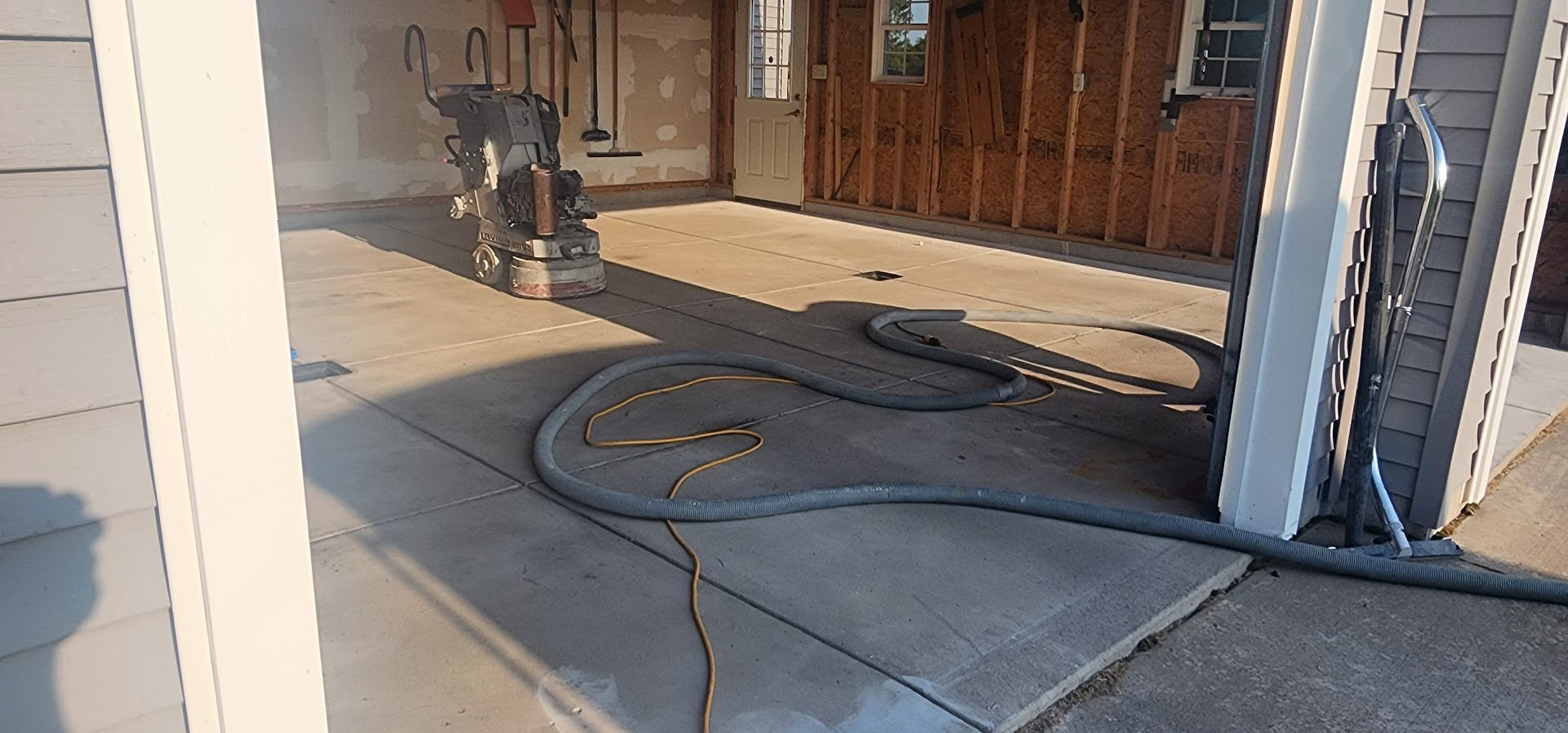
Apollo's process starts with thorough surface preparation—cleaning, repairing any existing cracks, and profiling the concrete to ensure strong adhesion. From there, the right coating system is selected based on the project's needs. The result is a finished surface that's built to handle Rochester's conditions for years without requiring replacement.
Is Now a Good Time to Coat Your Patio?
The short answer: yes—especially if you haven't done it before. Every season without a coating is another season of UV exposure, moisture intrusion, and potential staining working against your concrete. The longer a surface goes unprotected, the more preparation work it requires before coating, which can add to project costs.
Spring and early fall are ideal times for coating application in Rochester, as temperatures are moderate and curing conditions are favorable. That said, Apollo Concrete Coatings can assess your patio and advise on the best timing based on current surface conditions.
Protect Your Patio Before the Damage Adds Up
A coated patio isn't just better looking—it's more resilient, easier to maintain, and far less likely to need expensive repairs down the line. UV protection preserves color and surface integrity. Moisture resistance prevents cracking and spalling. Stain resistance keeps the surface cleanable and looking fresh.
For homeowners in Rochester, NY, working with an experienced patio coating company makes all the difference. Apollo Concrete Coatings brings local expertise and professional-grade materials to every project. Contact Apollo Concrete Coatings today to schedule a free consultation and find out which coating system is right for your patio.
Frequently Asked Questions About Patio Coatings
How long do patio coatings typically last?
The lifespan depends on the coating type and how much traffic the surface receives. Polyurea and epoxy systems can last 10 or more years with proper maintenance, while acrylic sealers may need reapplication every 2–5 years.
Can patio coatings be applied over existing damaged concrete?
Minor cracks and surface imperfections can typically be repaired before coating. Severely deteriorated concrete may require more extensive prep work. A professional assessment determines the best course of action.
How soon can I use my patio after the coating is applied?
Most coating systems allow light foot traffic within 24 hours. Full cure time, including use with furniture and heavy loads, is typically 48–72 hours depending on the product and temperature conditions.
Do patio coatings work in cold climates like Rochester, NY?
Yes. Coatings designed for cold climates—particularly polyurea-based systems—are formulated to withstand freeze-thaw cycles. Choosing the right product for your region is key, which is why working with a local patio coating company in Rochester, NY is recommended.
What maintenance does a coated patio require?
Minimal. Regular sweeping and occasional rinsing with water or a mild detergent is typically sufficient to keep a coated patio in good condition.