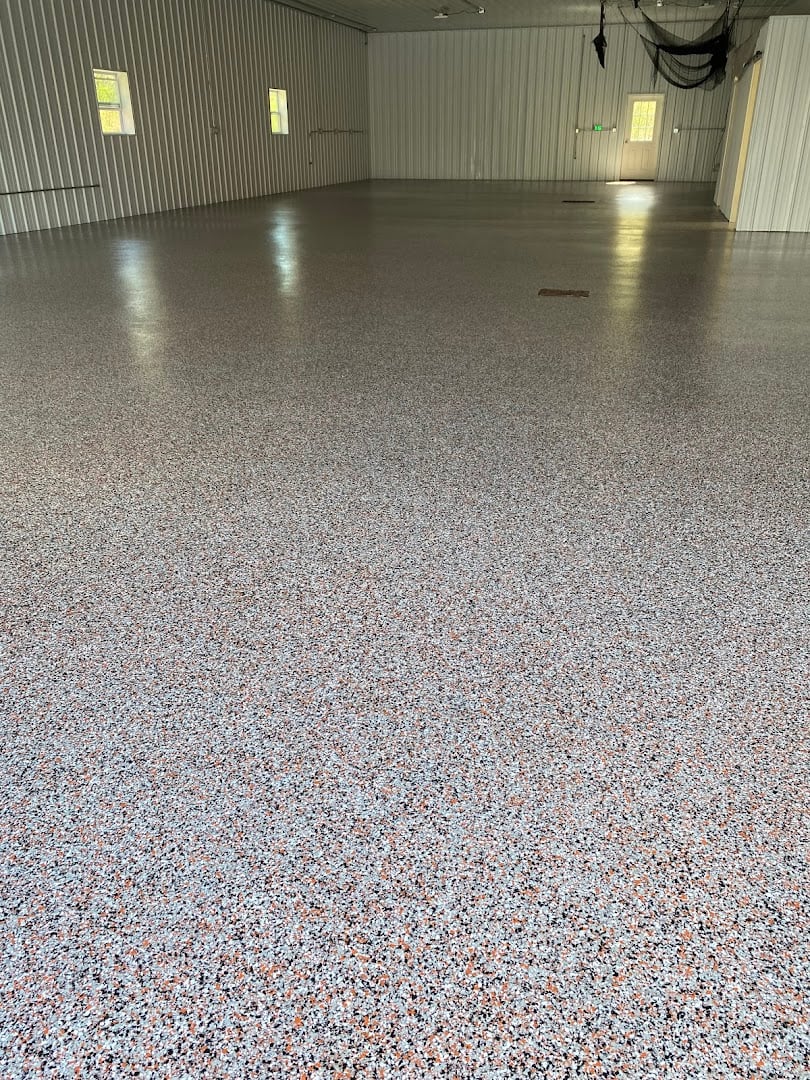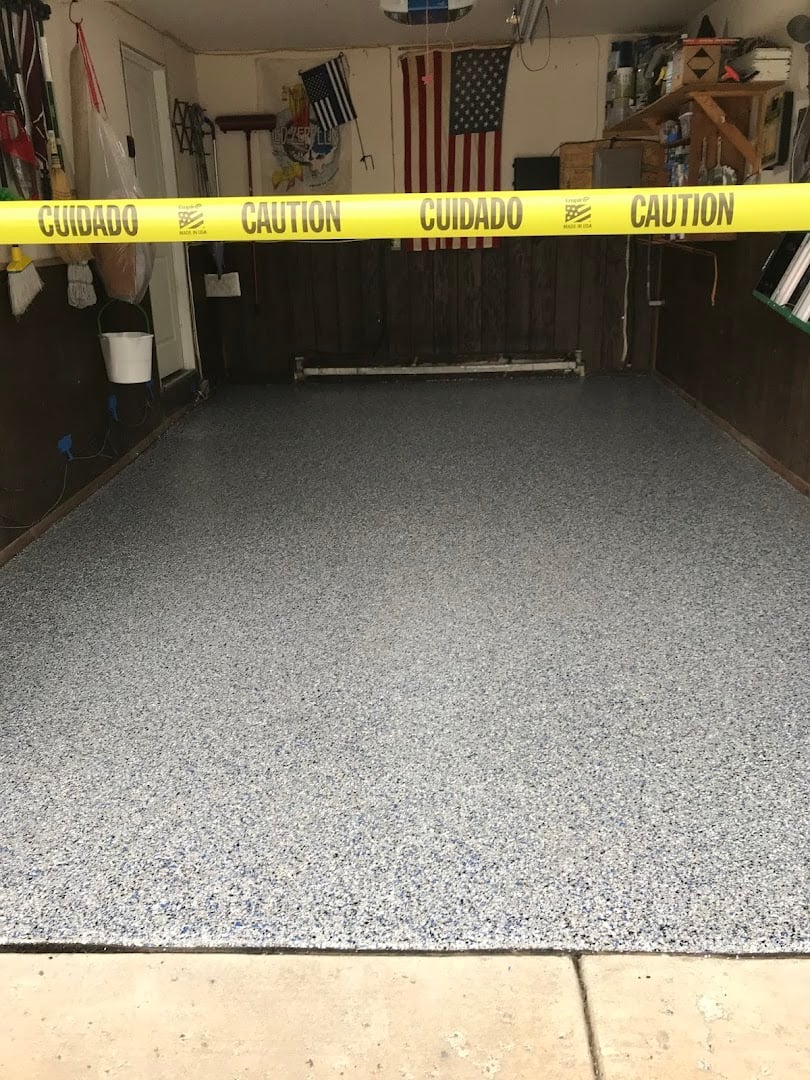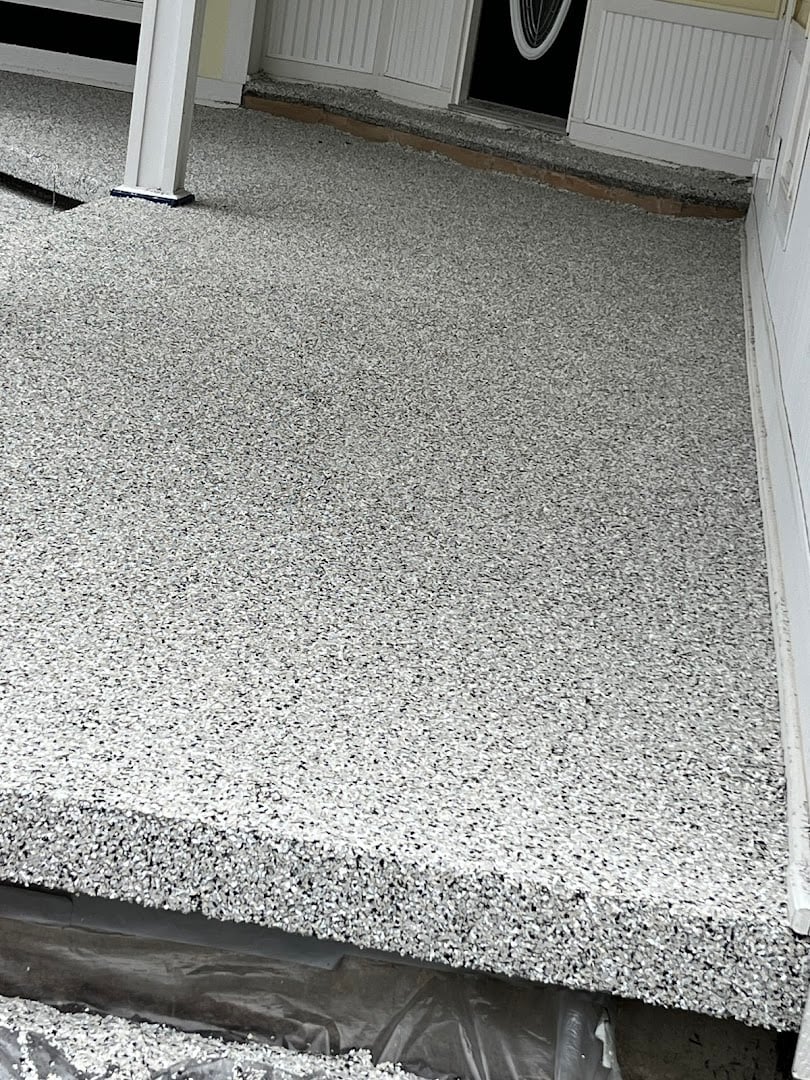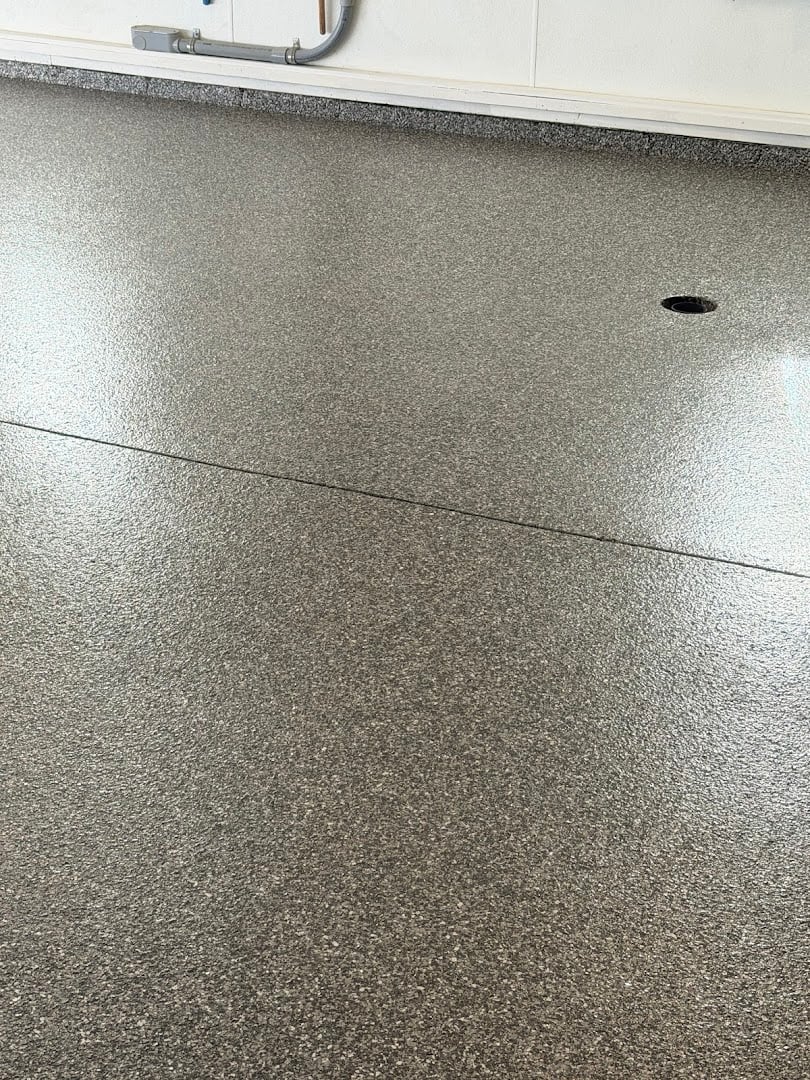
Epoxy garage floors have become a popular choice for homeowners looking to transform their drab, dusty concrete into a durable, attractive, and easy-to-clean surface. Whether you're a car enthusiast, a DIY weekend warrior, or simply want to upgrade your home, understanding how to do epoxy garage floors is the first step.
At Apollo Concrete Coatings, we've been concrete floor coating contractors since 1976, and we've seen countless garage floor transformations. We know the questions people ask when they're researching this project. This comprehensive Q&A aims to address your most pressing concerns, offering expert insights to guide you through the process and help you make the best decision for your garage.
Frequently Asked Questions About Your Comprehensive Q&A Guide
Can you epoxy a garage floor yourself?
While it is technically possible to epoxy a garage floor yourself, the success and longevity of a DIY epoxy coating largely depend on several critical factors, making it a challenging endeavor for many.
The most crucial aspect of any epoxy application is surface preparation. This isn't just a quick sweep and mop; it involves:
- Thorough Cleaning: Removing all oil, grease, dirt, and contaminants.
- Acid Etching or Grinding: Creating a porous surface for proper adhesion. This often requires specialized equipment like a concrete grinder, which can be expensive to rent or purchase and challenging to operate effectively.
- Crack and Pothole Repair: Filling and leveling any imperfections to ensure a smooth, uniform finish.
- Moisture Testing: Ensuring the concrete slab doesn't have excessive moisture, which can lead to bubbling or delamination.
Beyond preparation, the application of the epoxy itself requires precision and speed. Epoxy has a limited pot life once mixed, meaning you have a short window to apply it evenly before it starts to cure. Achieving a uniform thickness, avoiding streaks, and properly incorporating decorative flakes (if desired) without creating lap lines or bare spots demands skill and experience.
DIY kits often contain lower-grade epoxy products that may not offer the same durability, chemical resistance, or UV stability as professional-grade systems. This can lead to issues like hot tire pickup, peeling, or fading over time. For a truly professional, long-lasting finish, many homeowners find the investment in experienced concrete floor coating contractors like Apollo Concrete Coatings to be well worth it, ensuring a high-quality result that stands the test of time.
How much does it cost to epoxy a 20x20 garage floor?
The cost to epoxy a 20x20 (400 square foot) garage floor can vary significantly based on several factors, making it difficult to provide a single estimate without a detailed assessment. Here’s a breakdown of what influences the price:
- Material Quality: DIY kits are generally less expensive upfront but often use thinner, less durable epoxy formulations. Professional-grade 100% solids epoxy, polyaspartic, or polyurea coatings offer superior performance and longevity but come at a higher material cost.
- Floor Preparation: This is arguably the most critical and labor-intensive part. Extensive cleaning, degreasing, crack repair, patching, and especially concrete grinding (which is superior to acid etching for adhesion) will add to the cost. If your floor has significant damage, expect higher prep costs.
- Number of Coats and System Type: A basic single-color epoxy system will be less expensive than a multi-layer system incorporating a primer, base coat, decorative flakes, and a clear topcoat (like polyaspartic for added durability and UV resistance).
- Add-ons and Customization: Features like anti-slip additives, custom colors, metallic effects, or intricate flake patterns will increase the overall price.
- Labor: Professional installation includes the expertise, specialized equipment, and labor of experienced technicians. While this is an added cost compared to DIY, it ensures proper application, adherence to industry standards, and a professional finish that DIY often can't match.
Given these variables, providing a specific number isn't feasible. However, professional services typically range higher than basic DIY kits but offer a much greater return on investment in terms of durability, appearance, and peace of mind. For an accurate estimate tailored to your specific 20x20 garage floor and desired finish, we recommend contacting us for a free quote. We can assess your floor's condition and discuss the best coating system for your needs.
What is the downside of an epoxy garage floor?
While epoxy garage floors offer numerous benefits, it's important to be aware of potential downsides to make an informed decision:
- Slipperiness When Wet: A smooth epoxy surface can become quite slippery when wet, especially with oil or grease spills. This can be mitigated by incorporating anti-slip additives into the topcoat, which professional installers frequently do.
- Sensitive to Surface Preparation: As mentioned, improper surface preparation is the leading cause of epoxy failure. If the concrete isn't thoroughly cleaned, degreased, etched or ground, and moisture-free, the epoxy may delaminate, peel, or bubble.
- Curing Time: Epoxy requires a specific curing period before it can withstand heavy traffic or vehicle parking. This can range from 24-72 hours for light foot traffic and up to 5-7 days for full vehicle use, meaning your garage will be out of commission for a period.
- Temperature Sensitivity During Application: Epoxy needs to be applied within a specific temperature range to cure properly. Applying it in extreme heat or cold can lead to poor adhesion, uneven curing, or a compromised finish. This is where professional expertise and climate control become crucial.
- Potential for Hot Tire Pickup: Lower-quality epoxy coatings, often found in DIY kits, can sometimes suffer from 'hot tire pickup.' This occurs when hot tires from a recently driven vehicle cause the epoxy to soften and peel away from the concrete. High-quality, professional-grade epoxy or polyaspartic topcoats are formulated to resist this issue.
- UV Sensitivity (for some epoxies): Some epoxy formulations can yellow or chalk over time when exposed to direct sunlight. This is more common with certain types of epoxy and less of an issue with UV-stable topcoats like polyaspartic or polyurea, which are often used in professional garage floor systems.
- Difficult to Repair Small Sections: While epoxy is durable, if a section does get damaged, seamlessly repairing just that small area can be challenging without visible patch lines.
Many of these downsides can be minimized or entirely avoided by choosing a professional installation with high-quality materials and proper techniques, ensuring a robust and long-lasting garage floor.
Can you epoxy over OSB?
No, you absolutely cannot epoxy over OSB (Oriented Strand Board) or any other wood-based subfloor for a garage floor application. Epoxy coatings are specifically designed to adhere to porous concrete surfaces, and OSB presents several fundamental problems that make it an unsuitable substrate:
- Moisture Absorption and Movement: OSB is highly susceptible to moisture absorption, which causes it to swell, warp, and delaminate. Epoxy forms a rigid, impermeable layer. When the OSB beneath moves due to moisture changes, the epoxy will crack, delaminate, and fail rapidly. Garages are also prone to moisture from vehicle tires, spills, and humidity, which would quickly compromise an OSB subfloor.
- Adhesion Issues: Epoxy requires a strong mechanical bond with a porous surface. OSB, being a manufactured wood product, does not offer the necessary porosity or stability for proper adhesion. The bond would be weak and prone to peeling.
- Flexibility and Stability: OSB is not as rigid or stable as concrete. It flexes and shifts under weight and temperature changes. This movement would cause the brittle epoxy coating to crack and detach from the substrate.
- Structural Integrity: OSB is not designed to be a finished flooring surface for heavy-duty applications like a garage, which experiences vehicle traffic, heavy tools, and potential impacts. It lacks the compressive strength and durability required.
If your garage floor is currently OSB or another non-concrete material, you would need to remove it and pour a concrete slab before considering an epoxy coating. Attempting to epoxy over OSB would be a waste of time and money, resulting in a failed coating. Epoxy is a fantastic solution for concrete floors, but it requires the correct foundation to perform as intended.
Navigating the world of concrete floor coatings can be complex, but with the right information, you can make the best choice for your home. We hope this comprehensive Q&A has shed some light on how to do epoxy garage floors and the factors involved.
If you're ready to transform your garage, basement, patio, or pool deck with a durable, beautiful coating, trust the experts. Apollo Concrete Coatings has been providing top-tier concrete floor coating solutions since 1976. Contact us today for a free quote and let our experienced team help you achieve the perfect finish for your space.