
Quick Answer: Humid climates accelerate coating wear through moisture intrusion, condensation, and hydrostatic pressure. To extend the life of concrete coatings for basement floors, homeowners should clean regularly, control humidity with a dehumidifier, inspect for early damage, and work with a reputable basement floor coating company in Buffalo, NY.
Humidity is one of the biggest threats to basement floors—and most homeowners don't realize it until the damage is already done. Bubbling, peeling, or flaking coatings aren't just an eyesore; they signal that moisture has compromised the bond between your floor and its protective layer.
For homeowners in Western New York, this is especially relevant. Buffalo's humid summers and frigid winters create a tough environment for basement surfaces. The good news? A quality coating combined with consistent maintenance can keep your floor looking great for a decade or more.
This guide covers everything you need to know about maintaining concrete coatings for basement floors in humid conditions—from daily habits to knowing when it's time to call in the professionals at Apollo Concrete Coatings.
Key Takeaways
- Humidity causes moisture vapor to push up through concrete, weakening the bond between the floor and its coating over time.
- Regular cleaning, humidity control, and early crack inspection are the three pillars of effective basement floor coating maintenance.
- Partnering with a trusted basement floor coating company in Buffalo, NY like Apollo Concrete Coatings ensures your floor is properly prepped, sealed, and protected from the start.
Why Does Humidity Damage Basement Floor Coatings?
Concrete is porous. Even after a coating is applied, moisture vapor can move through the slab from the ground beneath it—a process known as hydrostatic pressure. When vapor has nowhere to go, it builds up beneath the coating and forces it to lift, bubble, or delaminate.
In climates like Buffalo's, this problem compounds seasonally. Summer brings high ambient humidity. Winter brings freeze-thaw cycles that cause concrete to expand and contract. Spring thaw can raise groundwater levels, pushing even more moisture upward through your slab.
The result? A coating that looked flawless in October can start showing signs of stress by April—especially if it wasn't applied with humidity-specific prep work.
What Are the Best Maintenance Practices for Basement Floor Coatings in Humid Climates?
1. Control Indoor Humidity Year-Round
The single most effective thing you can do is manage the humidity level inside your basement. Aim for an indoor relative humidity (RH) between 30% and 50%. A quality dehumidifier running consistently during summer months can dramatically reduce the moisture load on your floor coating.
Pair your dehumidifier with proper ventilation—exhaust fans, window vents, or an HVAC system that conditions the basement space. The drier the air, the less vapor pressure builds up beneath your slab.
2. Clean the Floor Regularly—But Carefully
Dirt and grit act like sandpaper under foot traffic, slowly degrading the top layer of your coating. Sweep or dust-mop weekly, and do a more thorough wet clean monthly using a pH-neutral cleaner. Avoid harsh acids, bleach, or ammonia-based products, as these can break down the coating's protective resins over time.
For coated basement floors specifically, skip the steam mop. Steam forces hot moisture directly into the surface, which can soften or loosen the coating—especially in areas where adhesion is already stressed by humidity.
3. Inspect for Early Signs of Moisture Intrusion
Don't wait for peeling to become obvious. Every three to six months, do a quick visual inspection of the entire floor. Look for:
- Bubbling or blistering — signs of vapor trapped beneath the coating
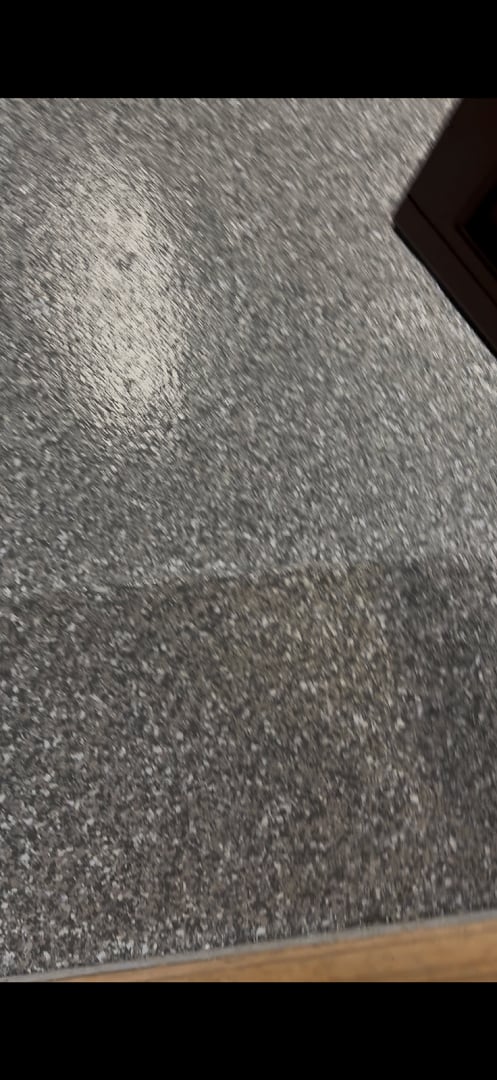
- Discoloration or white haze — often efflorescence, caused by mineral salts left behind as water evaporates
- Edge lifting — where the coating meets the wall is often the first place adhesion fails
- Small cracks — these can allow water to migrate under the coating and widen the damage zone
Catching these issues early means a repair rather than a full recoat.
4. Address Cracks and Chips Immediately
Small cracks won't stay small. Moisture finds any gap in the coating and works its way in, then freezes, expands, and widens the crack further with each temperature cycle. If you notice a chip or crack, clean the area thoroughly, let it dry completely, and apply a compatible repair filler before the problem spreads.
If you're unsure whether a crack is cosmetic or structural, reach out to a basement floor coating company in Buffalo, NY before attempting a DIY fix. A structural crack in the slab itself needs professional assessment.
5. Reapply a Top Coat Every Few Years
Even the best concrete coatings for basement floors wear down over time. High foot traffic, UV exposure (yes, even in basements with egress windows), and ongoing humidity cycles gradually thin the protective layer.
Most manufacturers recommend a fresh top coat every three to five years, depending on usage and climate conditions. This refresh doesn't require a full recoat from scratch—just a light abrasion and a new layer of topcoat to restore gloss and protection.
How Do You Know When Your Basement Floor Coating Needs Professional Attention?
Some maintenance tasks are DIY-friendly. Others aren't. Call a professional when you notice:
- Widespread delamination across more than 20% of the floor
- Persistent moisture intrusion despite dehumidification efforts
- Bubbling that returns shortly after being repaired
- White mineral deposits (efflorescence) appearing repeatedly
- A strong musty odor near the floor surface
These signs often point to a deeper issue—either a failed moisture barrier, a crack in the slab, or improper surface preparation during the original installation. A qualified basement floor coating company in Buffalo, NY like Apollo Concrete Coatings has the tools and expertise to diagnose and resolve these problems properly, rather than just masking them with another coat.
Choosing the Right Coating Matters From Day One
Maintenance becomes significantly easier when the right product is used from the start. Not all concrete coatings for basement environments are equal. Epoxy coatings offer excellent durability but can be moisture-sensitive during installation. Polyurea and polyaspartic coatings cure faster, handle humidity better, and tend to resist UV yellowing more effectively.
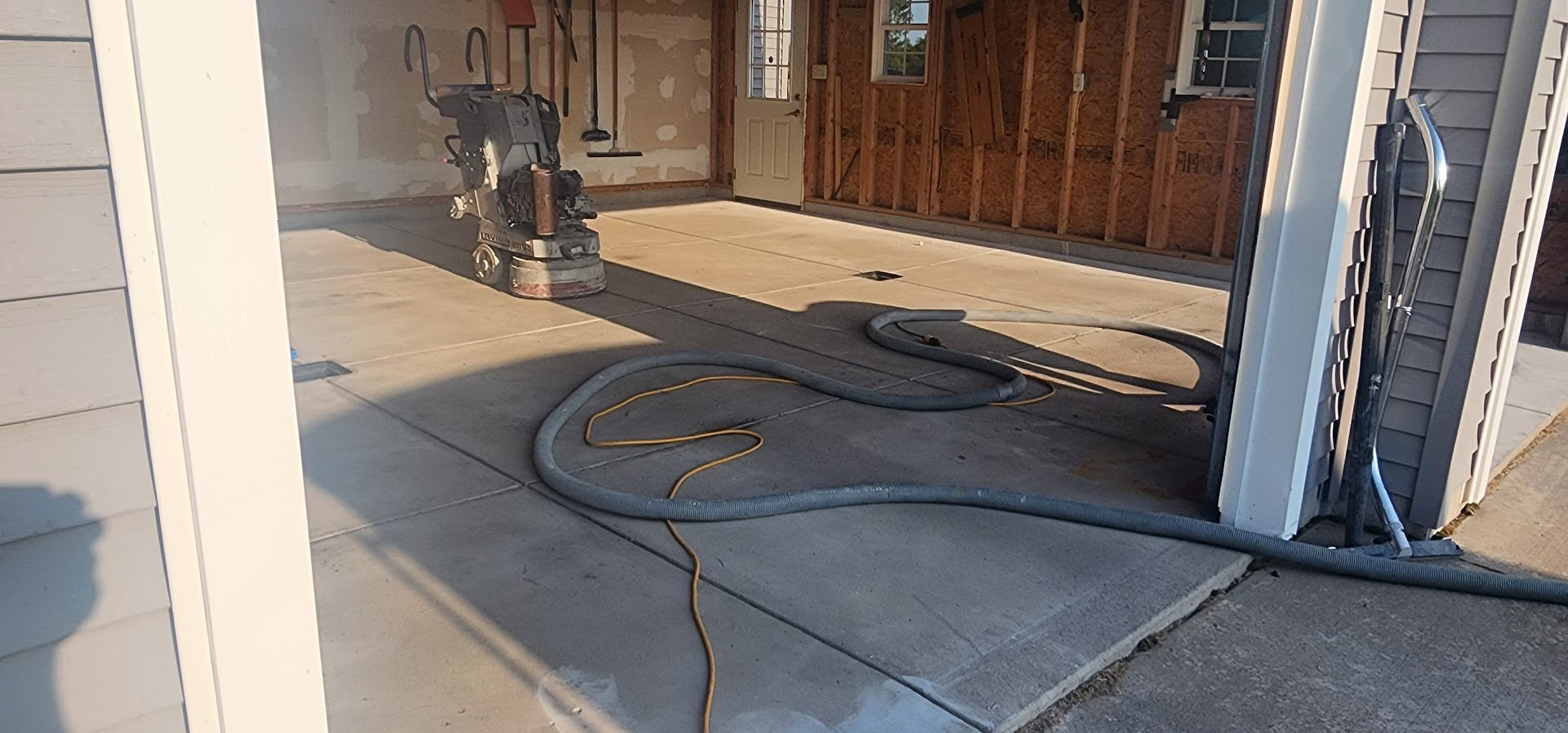
At Apollo Concrete Coatings, substrate preparation is treated as seriously as the coating itself. Proper moisture testing, surface grinding, and primer selection are what separate a coating that lasts a decade from one that starts failing in year two.
Frequently Asked Questions
How often should I clean my basement floor coating?
Sweep weekly to remove abrasive debris, and do a full wet clean with a pH-neutral cleaner once a month. Avoid steam mops and harsh chemical cleaners.
Can humidity cause a brand-new coating to fail?
Yes. If a coating is applied when the concrete moisture vapor emission rate is too high, it can fail within weeks. Professional installers test for moisture before application to prevent this.
What is the best type of concrete coating for humid basements?
Polyurea and polyaspartic coatings generally outperform standard epoxy in humid climates due to faster cure times and lower sensitivity to moisture during installation. Ask your coating contractor which system suits your specific basement conditions.
How long do basement floor coatings last in Buffalo's climate?
With proper installation and regular maintenance, a professionally applied coating typically lasts 10 to 15 years. Reapplying a top coat every three to five years can extend that lifespan further.
Does Apollo Concrete Coatings offer maintenance services?
Yes. Apollo Concrete Coatings serves homeowners across the Buffalo, NY area with both new installations and maintenance or recoat services.
Protect Your Investment Before the Next Season Hits
A basement floor coating is only as good as the care it receives. In a climate like Buffalo's, where humidity swings dramatically between seasons, consistent maintenance isn't optional—it's what separates a floor that ages gracefully from one that requires costly replacement.
If your coating is showing signs of wear, or if you're ready to invest in a high-performance system that's built for Western New York conditions, Apollo Concrete Coatings is here to help. Contact us today for a free consultation and find out what the right concrete coatings for basement floors can do for your home.